
Artificial intelligence is moving beyond answering questions and generating text. Technology companies are increasingly developing AI agents designed to help people complete tasks, work across applications, and manage complex workflows.
On October 8, 2026, Google Cloud introduced its new Gemini agent for work, presenting it as an AI assistant capable of helping users with knowledge work, content creation, data analysis, and coding. The announcement highlights a growing shift toward AI systems that can do more than respond to individual prompts.
But what is the Gemini agent, how does it work, and what could it mean for businesses, professionals, and everyday users?
Here is what you need to know.
What Is Google’s Gemini Agent?
Google’s Gemini agent is an AI-powered assistant designed to help people complete work-related tasks.
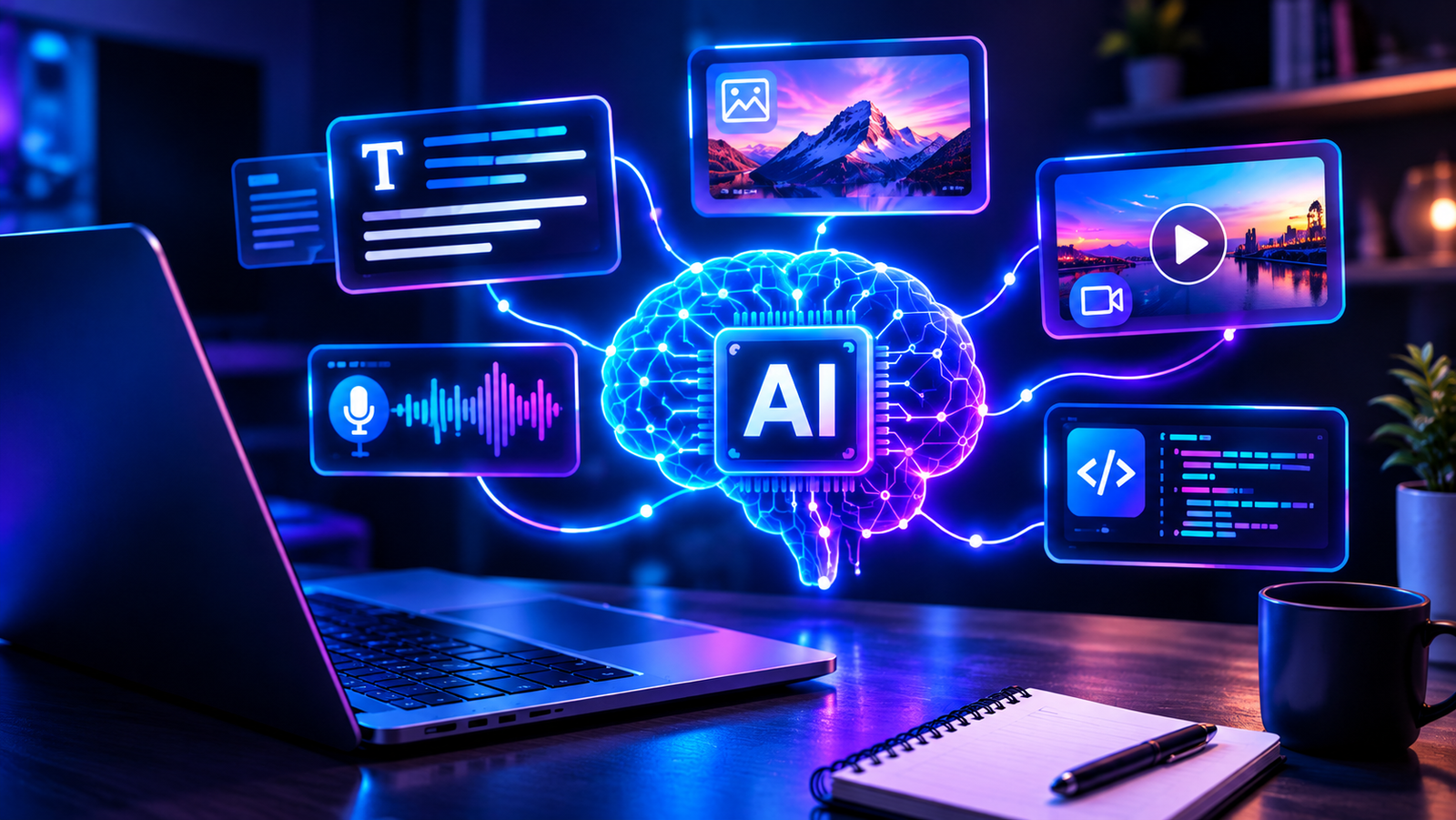
According to Google Cloud, the agent can answer questions, assist with knowledge work, create images and other media, and write and run code.
The announcement also describes how Gemini can work directly within Google Workspace applications, including Gmail, Google Drive, Google Docs, Google Slides, Google Sheets, Google Chat, and Google Calendar.
The goal is to bring AI assistance closer to the applications people already use instead of requiring them to switch constantly between different tools.
What Can the Gemini Agent Do?
The agent’s announced capabilities cover several areas of everyday professional work.
1. Help With Everyday Work Tasks
AI agents can help users organize information, find answers, prepare documents, and handle parts of their daily workflows.
For example, a professional could use an AI assistant to organize information from documents before preparing a report.
The usefulness of these features depends on the applications connected to the agent, the permissions granted by the user, and the complexity of the task.
2. Work Within Google Workspace
One of the most important parts of Google’s announcement is the integration of Gemini into Workspace applications.
Gmail, Drive, Docs, Sheets, Slides, Chat, and Calendar are widely used for communication, document management, collaboration, and scheduling.
Bringing AI into these applications could make it easier to summarize information, create content, analyze data, and manage work without repeatedly moving information between different services.
However, the specific features available may depend on the product, subscription, administrator settings, and rollout status.
3. Create Content and Media
Google says its Gemini agent can help create images and other media.
This could be useful for marketing teams, entrepreneurs, designers, and content creators who need visual materials for presentations, campaigns, or digital projects.
AI-generated material should still be reviewed before publication to ensure it is accurate, appropriate, and consistent with the intended message.
4. Write and Run Code
Google also highlighted coding capabilities.
AI coding assistants can help developers draft code, investigate errors, explain unfamiliar programming concepts, and automate parts of development workflows.
These tools can also help beginners understand programming, although generated code should be tested and checked for security issues before being used in real applications.
How Could AI Agents Change Productivity?

Traditional AI chatbots generally respond to a question or instruction. AI agents are designed to help with broader tasks, potentially involving several steps and different tools.
For example, a business workflow might involve collecting information, organizing it into a spreadsheet, preparing a summary, and drafting a report.
An AI agent may be able to assist with multiple stages of such a process, depending on its capabilities and the permissions available.
This approach could reduce repetitive work and give employees more time to focus on planning, decision-making, and creative tasks.
However, AI agents should not be assumed to complete every workflow independently. Complex tasks may still require human instructions, verification, and approval.
Google’s Gemini Agent vs. Traditional AI Chatbots
The main difference is the type of work each system is designed to support.
Traditional AI chatbots are often used to answer questions, explain concepts, brainstorm ideas, and generate text.
AI agents aim to go further by interacting with tools and helping users complete tasks across different stages of a workflow.
For example, a chatbot might explain how to prepare a project report. An AI agent with the appropriate integrations and permissions might help gather relevant information, organize the data, and draft parts of that report.
These capabilities vary between products, so users should check what each tool actually supports rather than assuming all AI agents work in the same way.
What Does This Mean for Small Businesses?
Small businesses often have limited time and resources. AI tools that help with repetitive administrative work could be valuable when used carefully.
Potential applications include:
- Organizing business documents.
- Drafting emails and reports.
- Summarizing meetings and information.
- Analyzing spreadsheet data.
- Preparing marketing materials.
- Assisting with software development.
Businesses should evaluate the time saved, the quality of the results, and the cost of the tools before adopting them widely.
They should also protect confidential information and review the permissions granted to AI systems, particularly when connecting business accounts or customer data.
Are There Risks to Using AI Agents?
Yes. AI agents can introduce risks if they misunderstand instructions, produce incorrect information, or perform actions that the user did not intend.
The more access an agent has to applications and data, the more important it becomes to establish appropriate permissions and oversight.
Before using an AI agent for important work, consider these precautions:
- Review its permissions before connecting accounts.
- Verify important information and calculations.
- Avoid sharing sensitive information unnecessarily.
- Check documents and messages before sending or publishing them.
- Require human approval for important or irreversible actions when possible.
AI can improve efficiency, but human oversight remains important.
Is Google’s Gemini Agent Available to Everyone?
Google announced the Gemini agent as part of its Gemini at Work 2026 event on October 8, 2026.
However, the availability of individual capabilities can depend on the product, subscription, administrator controls, and rollout schedule.
Users should consult Google’s official announcements and product documentation to determine which features are available to their accounts. The announcement alone does not mean that every capability is immediately accessible to every user.
The Future of AI Agents
The launch of Google’s Gemini agent reflects a broader direction in artificial intelligence: moving from systems that mainly generate responses toward tools that can help people perform tasks.
As AI agents develop, they may become more integrated into business software, creative applications, research tools, and everyday digital workflows.
The challenge will be balancing convenience with accuracy, security, privacy, and human control.
For users, the most valuable AI agent will not necessarily be the one with the most features. It will be the one that reliably solves real problems, fits existing workflows, and saves time without introducing unnecessary risks.
Final Thoughts
Google’s Gemini agent announcement highlights the growing role of AI in everyday professional work.
By bringing AI assistance into familiar applications and supporting tasks such as content creation, data analysis, and coding, Google is pursuing a more integrated approach to workplace productivity.
The actual benefits will depend on the features users can access, the quality of the results, and how effectively businesses incorporate the technology into their workflows.
For professionals, creators, and small businesses, this development is worth watching as AI agents continue to evolve.
At Moment with AI, we’ll continue covering the latest AI news, tools, tutorials, and practical developments that help people understand and use artificial intelligence.